It happened again last night. I was creeping through the Crumbling Farum Azula, feeling pretty good about my build, my timing, my life choices—and then bam. The screen filled with those twisting black thorns, my character seized up, and a swarm of tiny winged shapes burst out of my torso. Game over, runes lost, dignity shattered. Deathblight. I’ve been playing FromSoftware games since the original Dark Souls, so I’m no stranger to cruel status effects, but this one always felt… different. Wrong, even. In 2026, four years after Elden Ring first dropped, I’m still peeling back layers of this world, and what I’ve learned about Deathblight recently has genuinely made my skin crawl. It’s not just a flashy instakill mechanic—it’s a slow, parasitic horror that rewrites the way you think about those
“You Died” screens.
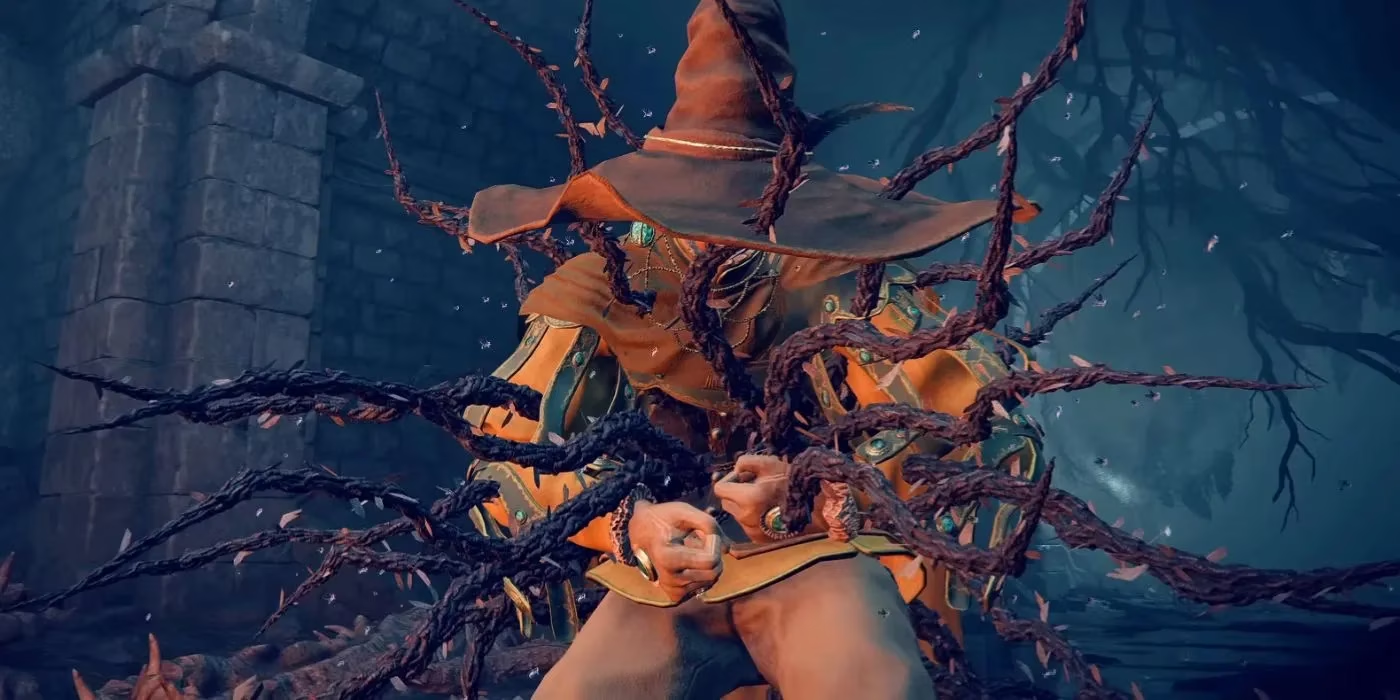
Let’s rewind a bit. Most folks initially compared Deathblight to the Curse status from the Dark Souls trilogy, and sure, on the surface they seem related: both turn you into a thorny statue and boot you back to a bonfire—or Grace, in this case. But the more I stared at the aftermath of my deaths, the more I noticed little details that I had glossed over in my first hundred hours. Those thorns? They’re not just dry, dead wood. If you zoom in (or get killed way too often, like I do), you’ll see what looks like leaves sprouting from them. Except, they flutter. And they move. Those aren’t leaves—they’re wings. Hundreds of tiny, gnat-like insects, burrowed deep inside the thorn structure, wriggling and buzzing as if they’ve just been set free. Believe me, once you see it, you can’t unsee it.
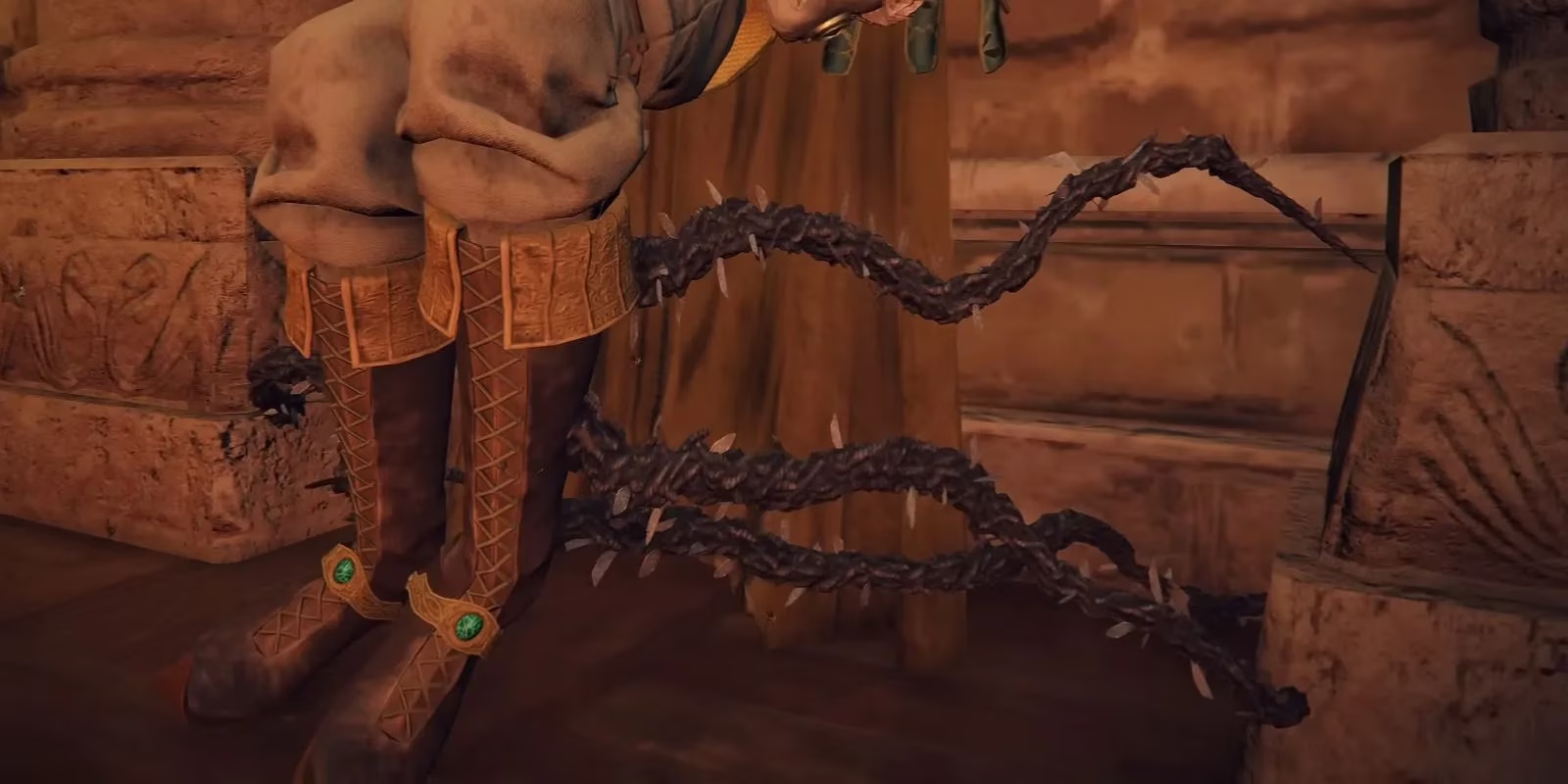
My nightmare deepened when I started paying attention to the NPCs. Poor Rogier. You meet him as this mild-mannered sorcerer, curious about the Night of the Black Knives, and then he gradually falls apart—literally. I remember walking into the Roundtable Hold after a certain point and seeing him hunched over, a blanket hastily tossed over his legs. He was still alive, but the buzzing gave him away. The flies were already crawling out from under the fabric, and those unmistakable black thorns were poking through his skin. He didn’t die instantly like we do; he wasted away, a slow garden of parasites blooming from his body. I just stood there, helpless, watching the infestation claim him inch by inch. It hit me then: the Tarnished who gets Deathblighted isn’t just killed—they’re used as a nest.
That idea gained even more weight when I dove into the lore around Godwyn the Golden. Deep below the capital, his body is a monument to what Deathblight does when left unchecked. The corpse isn’t just dead—it’s undead, twisted, and absolutely riddled with those winged thorns. Swarms of death-spewing insects cloud the air around him, and you can see worms slithering through the malformed flesh. Zullie the Witch put out a video ages ago that broke this down frame by frame, and I finally watched it last month. The worms, the gnats, the caterpillar-like things coiled inside the thorns—they’re all part of the same vile ecosystem. Deathblight doesn’t just kill gods; it hollows them out, feeds on the Grace that keeps them whole, and replaces it with writhing life. Or unlife. Whatever it is, it’s the kind of detail that makes you appreciate how FromSoftware layers disgust into every pixel.
Now, I know what you’re thinking: “Okay, but it’s just a game mechanic.” And sure, on a cold technical level, Deathblight is your classic build-up bar that punishes greedy play. But the storytelling woven into that bar is what gets me. It’s the implication that every time I catch a whiff of that black mist, those bugs aren’t just appearing out of nowhere—they were already inside my Tarnished, dormant, waiting for the right moment to burst forth. The thorns are like roots, the insects are the fruit, and I’m just the soil. I can’t help but think about how many times my character had been brushing off those dull aches during long treks across the Lands Between, completely unaware that a colony of parasites was staging a coup under my skin.
This is the horror FromSoftware excels at, right? It’s not enough to give you a scary monster; they have to plant this slow-dawning dread that you carry with you long after you’ve shut down the game. In a 2026 context, have we really moved beyond these themes? Not really. Games have gotten prettier, frames are higher, but that primal unease of having your own body turned against you is timeless. Deathblight is a masterclass in environmental storytelling, hiding a full lifecycle in a status effect icon and a few frames of death animation. Next time you see those thorns creeping up your screen, pause for a second. Listen to the buzzing. Watch the little wings twitch. And then accept the fact that you just became a nursery. Pleasant dreams, fellow Tarnished.