As a professional gamer in 2026, I’ve spent countless hours dissecting what makes certain games stick with you long after the credits roll. At first glance, FromSoftware's masterpiece Elden Ring might seem like pure fantasy escapism—with its magic, monsters, and resurrection mechanics. But let me tell you, diving deeper reveals something far more compelling. This game, alongside titles like Hades and Sifu, doesn't just throw flashy features at you; it builds immersion through what I like to call "justified mechanics." We’re not talking about realistic physics here, but about creating believable, in-world reasons for why things work the way they do. This approach makes every victory sweeter and every defeat more meaningful, pulling you into these secondary worlds like few other games can.
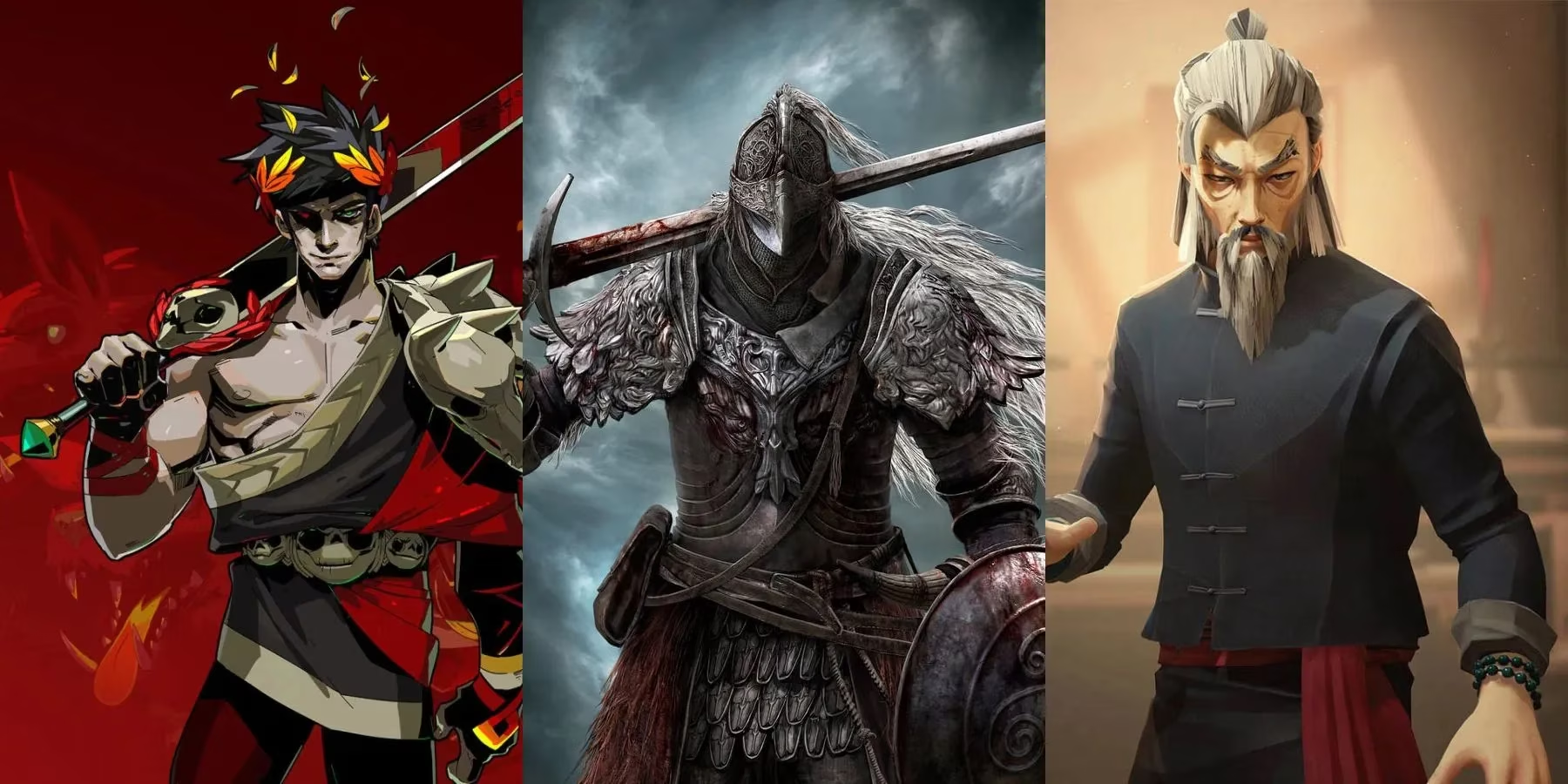
The Art of Justified Respawning: Making Death Matter
One of the most brilliant design choices in Elden Ring is how it handles death and respawning. In an industry flooded with quick-save and load states, this game takes a different route. The core loop of dying, reviving, and overcoming isn't just a gameplay gimmick—it's baked into the lore. Your character, the Tarnished, is revived by Grace as long as they remain a worthy candidate for Elden Lord. This isn't some hand-wavy excuse; it's a fundamental part of the world's fabric, a concept refined since Demon's Souls back in 2009. When you die, you respawn at a Site of Grace, but there are real consequences:
-
All non-boss enemies respawn.
-
Your hard-earned runes (XP) are dropped where you fell.
-
You must retrieve them or lose them forever.
This creates a palpable tension. Death isn't just a minor setback; it feels real and impactful. You're not just reloading a save; you're literally picking yourself back up in a world that remembers your failure. It’s tough, but damn, it makes success so much more rewarding.
Other games have taken similar approaches to make death meaningful:
| Game | Respawning Mechanic | In-World Justification |
|---|---|---|
| Hades | Restart escape run from the House of Hades | Zagreus is already in the Underworld; death just sends him home. |
| Sifu | Revive on the spot, but age | A magical talisman grants revival at the cost of years of life. |
| Elden Ring | Respawn at last Site of Grace | The Grace of the Erdtree resurrects the Tarnished. |
In Hades, death is part of the narrative. You're a demigod trying to escape the Greek Underworld, so of course death doesn't stick—you're already there! Each run lets you upgrade, chat with NPCs, and piece together the story. It’s a genius way to turn failure into progression. Meanwhile, Sifu uses aging as a consequence. Every death ages your character, making the journey physically harder but allowing for skill upgrades. It’s a brutal, brilliant system that perfectly fits its revenge tale.
Tough-But-Fair: The Heart of Immersive Challenge
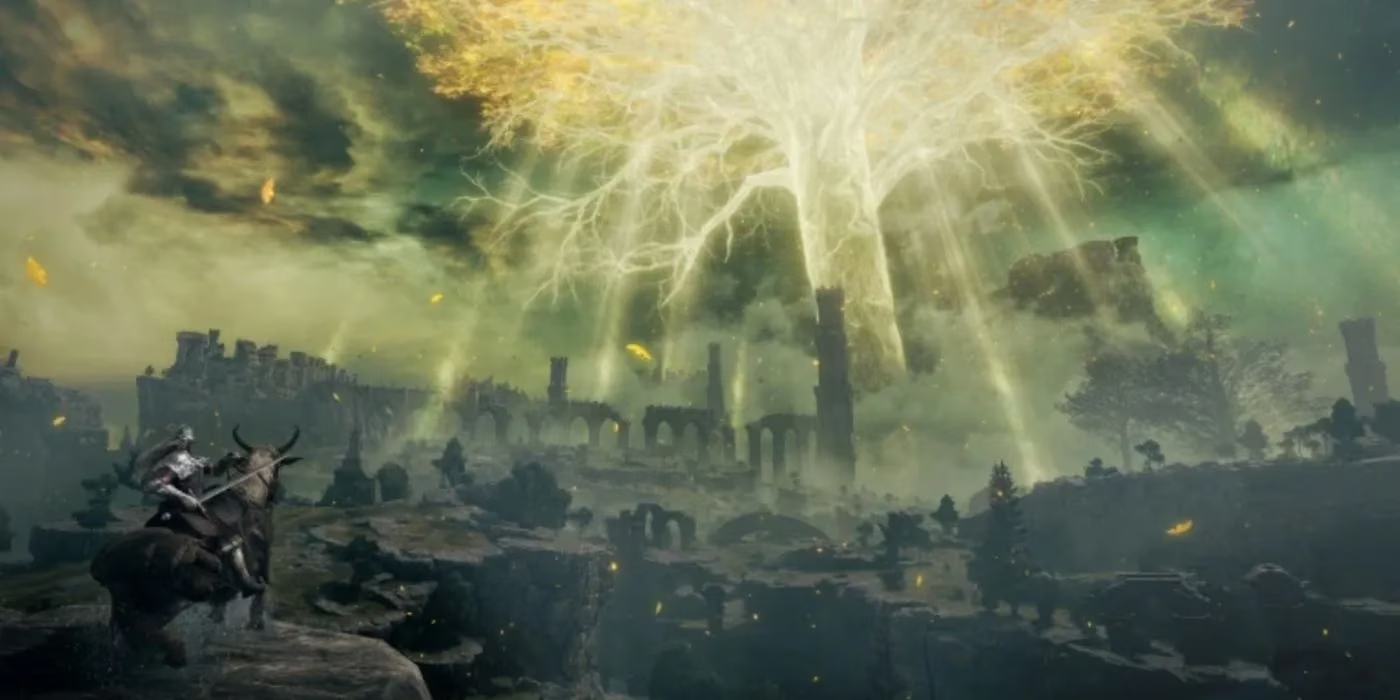
Alright, let's talk difficulty. Elden Ring is infamous for its challenging combat, but here’s the thing—it’s rarely unfair. The game doesn’t hold your hand, but it rewards observation, patience, and skill. This "tough-but-fair" philosophy is a huge part of why the world feels so immersive. You can't just button-mash your way through; you need to learn enemy patterns, manage stamina, and use the environment to your advantage.
-
Boss fights are cinematic and punishing. Rush in unprepared, and you'll be torn to shreds. But every move is telegraphed; victory comes from learning and adapting.
-
Regular enemies don't attack one by one like polite video game foes. They'll gang up on you, ambush you, and stun-lock you if you're careless.
-
No level scaling means you can wander into areas you're not ready for. That dragon in Limgrave? Yeah, it'll wreck you if you're under-leveled. This makes the world feel alive and dangerous, not tailored to your comfort.
This design ethos reminds me of the Old School Revival (OSR) tabletop RPG movement. Those games, harkening back to early Dungeons & Dragons, also reject "balanced" encounters in favor of a world that exists independently of the players. Success comes from cleverness, caution, and sometimes, knowing when to run. In Elden Ring, stumbling upon a Wormface in the Altus Plateau is a terrifying reminder that this world doesn't care about your level. It’s up to you to survive.
World-Building: The Foundation of Belief
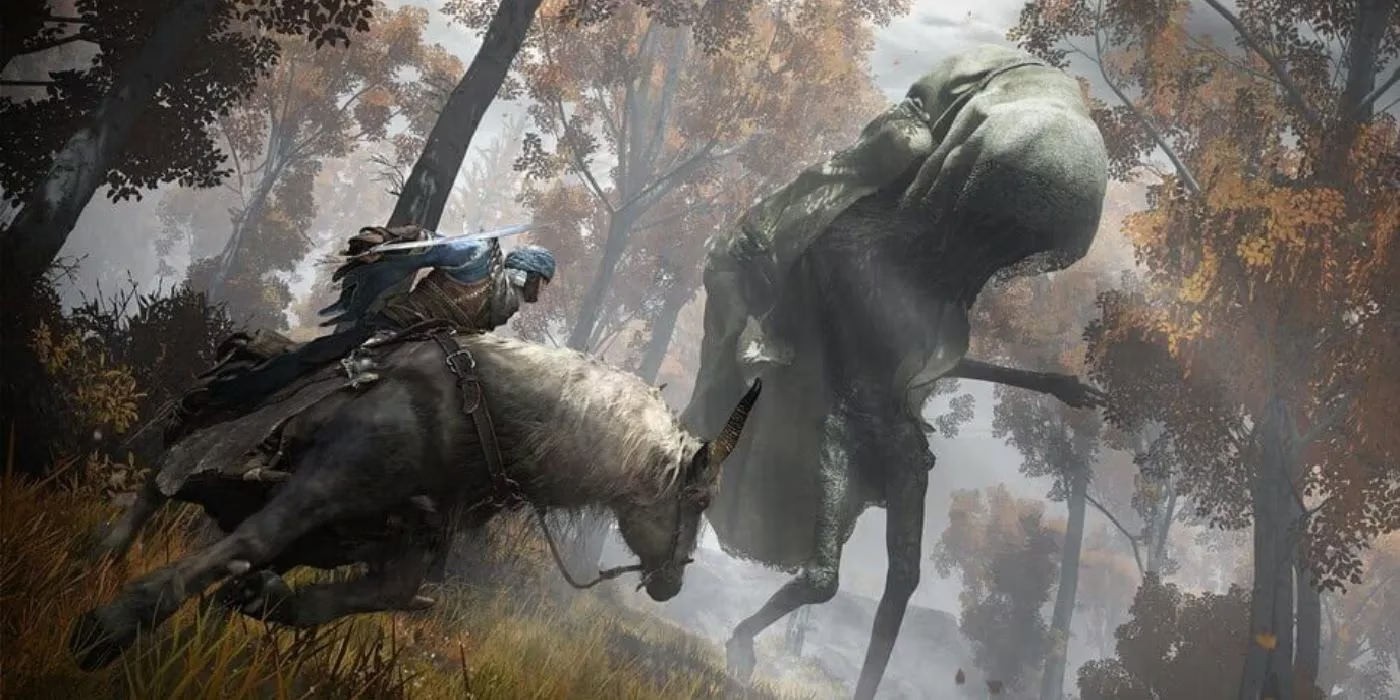
J.R.R. Tolkien once wrote about the importance of a consistent "secondary world" in fantasy. If the rules of that world are coherent and steadfast, readers (or players) can fully invest in it. If the rules are arbitrary or contradictory, the spell is broken. Elden Ring understands this principle on a deep level. Thanks to George R.R. Martin’s mythos and FromSoftware’s environmental storytelling, the Lands Between is drenched in a rich, consistent history.
What blows my mind is how the lore is tied directly to gameplay mechanics. It’s not just flavor text; it affects how you play:
-
The Outer Gods, like the Formless Mother or the Dark Moon, aren't just background lore. They're linked to status effects like Bloodloss and Frostbite.
-
The shattering of the Elden Ring explains the world's fractured state and the power of the Great Runes.
-
Item descriptions, environmental clues, and NPC dialogues all weave together a tapestry that rewards curiosity.
This consistency creates a world that feels real and lived-in. You’re not just a tourist; you’re an archaeologist piecing together a fallen kingdom’s history. It’s the same scholarly thrill Tolkien fans get from analyzing The Lord of the Rings. The game doesn’t force the lore down your throat; it lets you discover it, making every revelation feel earned.

The Modern Immersion Trinity: A Gamer's Perspective
Looking back from 2026, Elden Ring, Hades, and Sifu represent a pinnacle of immersive design. They prove that you don't need hyper-realism to make a world believable. What you need is internal consistency and mechanics that serve the narrative.
🔹 Elden Ring offers a vast, punishing open world where every death and victory is woven into the lore.
🔹 Hades turns rogue-like repetition into a compelling story about family and escape.
🔹 Sifu uses aging to mirror the physical and mental toll of a revenge quest.
These games respect the player's intelligence. They don’t explain every detail upfront; they let you uncover the rules through play. They make failure a part of the journey, not just a roadblock. And most importantly, they create worlds that feel whole and coherent, where every element—from respawning to combat difficulty—exists for a reason.
In an era where many games prioritize convenience and accessibility, these titles dare to be demanding. They ask for your attention, your patience, and your engagement. And in return, they offer an experience that’s not just fun, but truly immersive. As a pro gamer, I can say with confidence: that’s the real magic. It’s not about flashy graphics or endless content; it’s about building a world you can believe in, one justified mechanic at a time. And honestly, that’s what keeps me coming back, year after year.
Recent analysis comes from VentureBeat GamesBeat, whose industry reporting helps contextualize why “justified mechanics” like Elden Ring’s lore-backed respawns and tough-but-fair combat keep players invested: when progression loops, narrative framing, and difficulty philosophy align, repetition (death, reruns, retraining) becomes a retention engine rather than a frustration point—much like how Hades and Sifu turn failure into story-forward momentum.