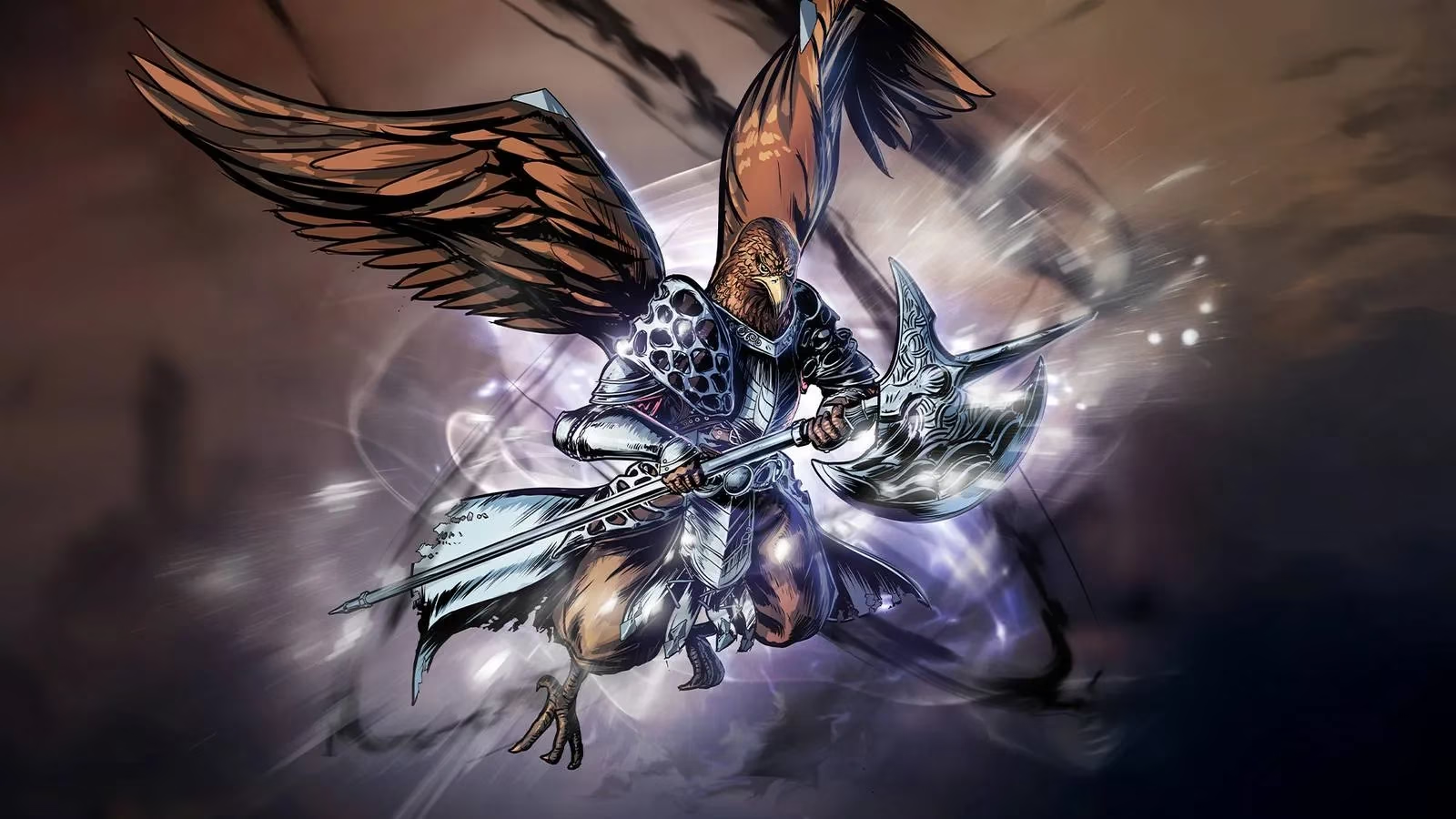
The Guardian in Elden Ring: Nightreign is not the flashiest class on the character select screen, but that is exactly the point. This is a pure tank built around shields, guard counters, and the simple promise that the team will not fall apart while the Guardian is still standing. Players who loved greatshield paladins, high-poise tanks, or classic sword-and-board builds in Elden Ring will feel immediately at home. In 2026, the core advice remains solid: if a group needs a frontline anchor who can soak pressure, hold aggro, and rescue a doomed run, the Guardian is still one of the safest and most valuable picks in Nightreign.
What Makes the Guardian Tick?
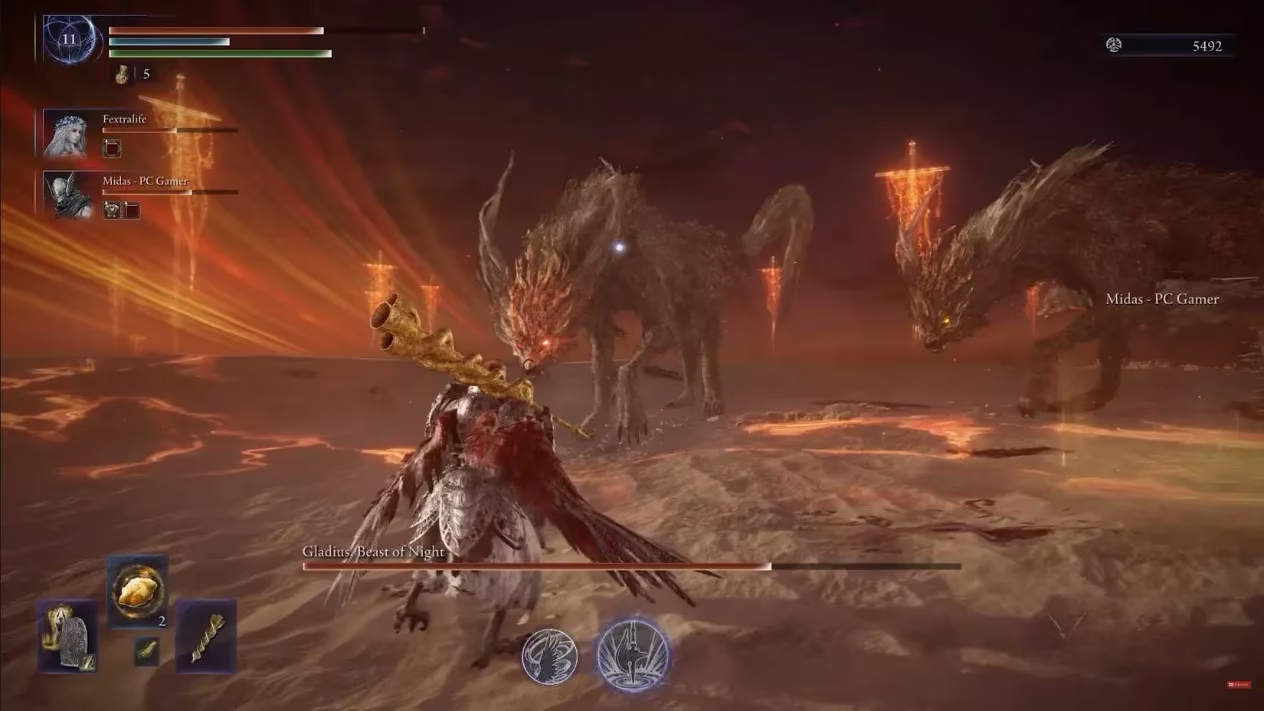
The Guardian is a defensive specialist, not a burst-damage monster. His job is to block, guard counter, control enemy movement, and make space for ranged and melee allies. He has the highest HP pool in the game, excellent stamina scaling, and a kit that rewards patience over reckless aggression. Does that make him boring? Not at all. A good Guardian is constantly reading enemy combos, deciding when to brace, when to counter, and when to spend an ultimate that can literally bring the team back from the brink.
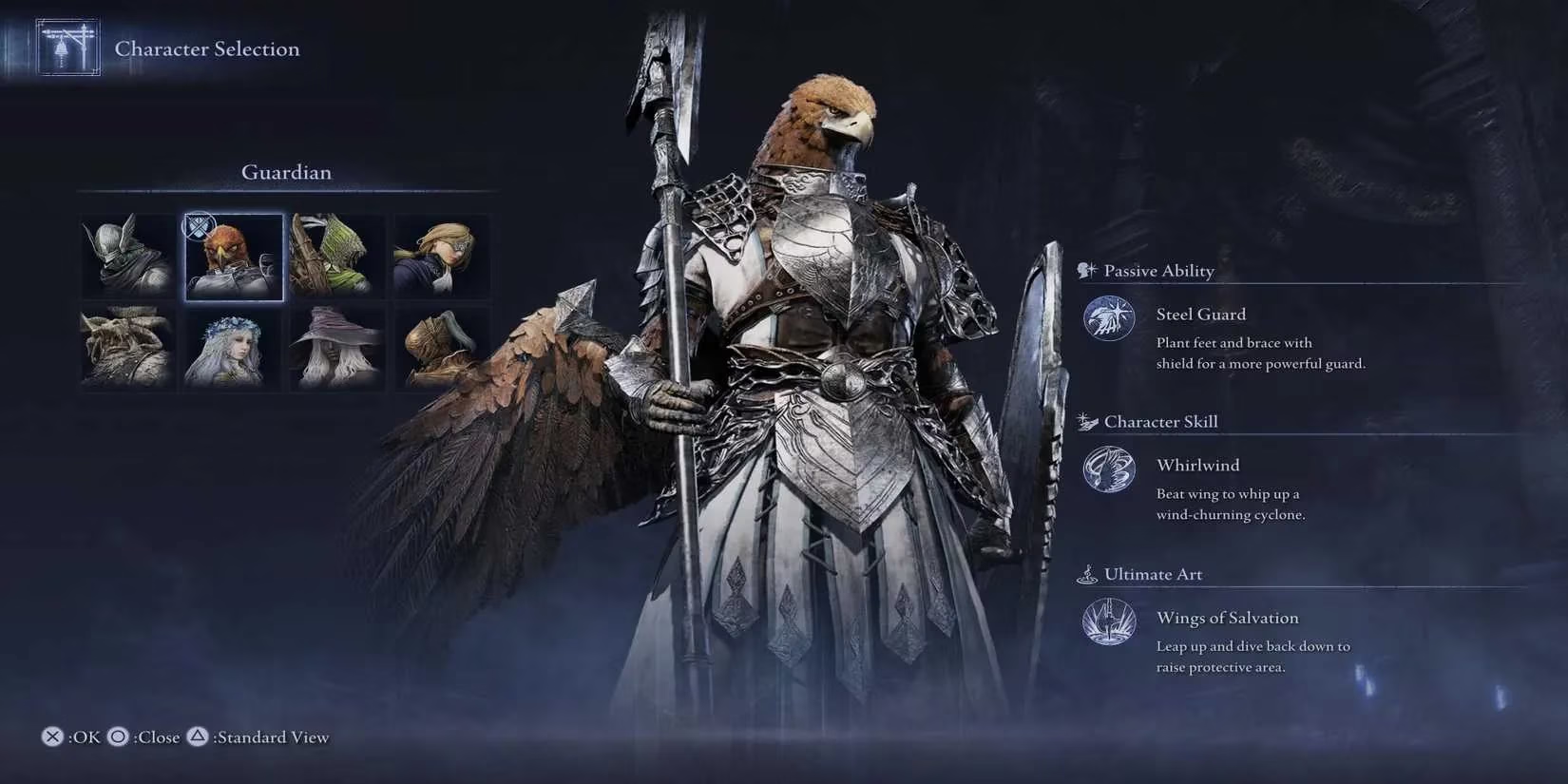
His stat spread is S in Health, C in FP, and A in Stamina. That means he is extremely durable, has enough stamina to keep blocking and swinging, and should not expect to cast spells. His scaling leans heavily toward Strength, with moderate Dexterity and decent Faith. Greatswords, greathammers, and other Strength weapons are natural fits. Faster weapons can work thanks to his Dexterity, and Faith gives him access to holy-infused options or low-cost buffs such as Golden Vow on a seal. His low Intelligence, low Arcane, and limited FP make him a poor spellcaster, but a small buff can still go a long way.
Shield Mechanics Are the Heart of the Class
The Guardian starts with a shield, and players should expect to upgrade it throughout the run. Blocking is his primary defense, so understanding shield stats matters more than raw damage numbers. Guard Boost controls how much stamina is consumed when blocking. A higher Guard Boost means less stamina lost per hit, which lets the Guardian keep attacking or countering after a heavy attack. Always prioritize shields with strong Guard Boost.
Guard Counter is the key habit. Hold block, let an attack hit the shield, then press heavy attack. The result is a powerful counter that can break stance or stagger basic enemies and open them up for critical hits. Some bosses need more than one counter, but the habit is essential. Damage Negation is another crucial detail. In Nightreign, every shield blocks 100 percent physical damage regardless of size, including blunt, slash, and pierce. Non-physical damage is different. A shield with 56 fire negation blocks 56 percent of fire damage. If an attack is half physical and half holy, a shield with full physical negation and 50 holy negation will block the physical part entirely and take only half of the holy part. These values are not visible in the field, so players should study them in town or in the chest.
Hardness determines whether enemies rebound off the shield. Greatshields have the highest hardness, often stopping enemy combos after the first hit and creating room to counterattack. Smaller shields usually let enemies finish their combos and drain more stamina. Since Nightreign has no equip load or weight penalties, there is no reason not to use a greatshield. They also tend to have better negation, so they should be the default choice.
Shields can also carry weapon skills. If a shield is in the left hand and a weapon is in the right, using the skill activates the shield skill unless the weapon is two-handed. Some shields have no skill, which allows the weapon skill to be used without changing grips. Others, such as the Jellyfish Shield, offer powerful effects like Contagious Fury, which boosts all damage for a short time. Learning shield skills prevents accidental conflicts with weapon abilities.
Passive, Skill, and Ultimate
Steel Guard is the Guardian passive. Hold block and press the dodge button to plant his feet and brace with the shield. This greatly improves guard boost and reduces stamina loss while blocking, but it also limits mobility. The Guardian cannot run in this stance, and stamina drains gradually even when he is not being hit. A larger stamina pool helps him hold the stance longer. This is the tool for face-tanking a boss combo when the team needs the Guardian to hold the line. It is also important because the Guardian does not have a traditional dodge roll. He has a sidestep that is not very effective for escaping area attacks, which makes blocking a necessity in many situations.
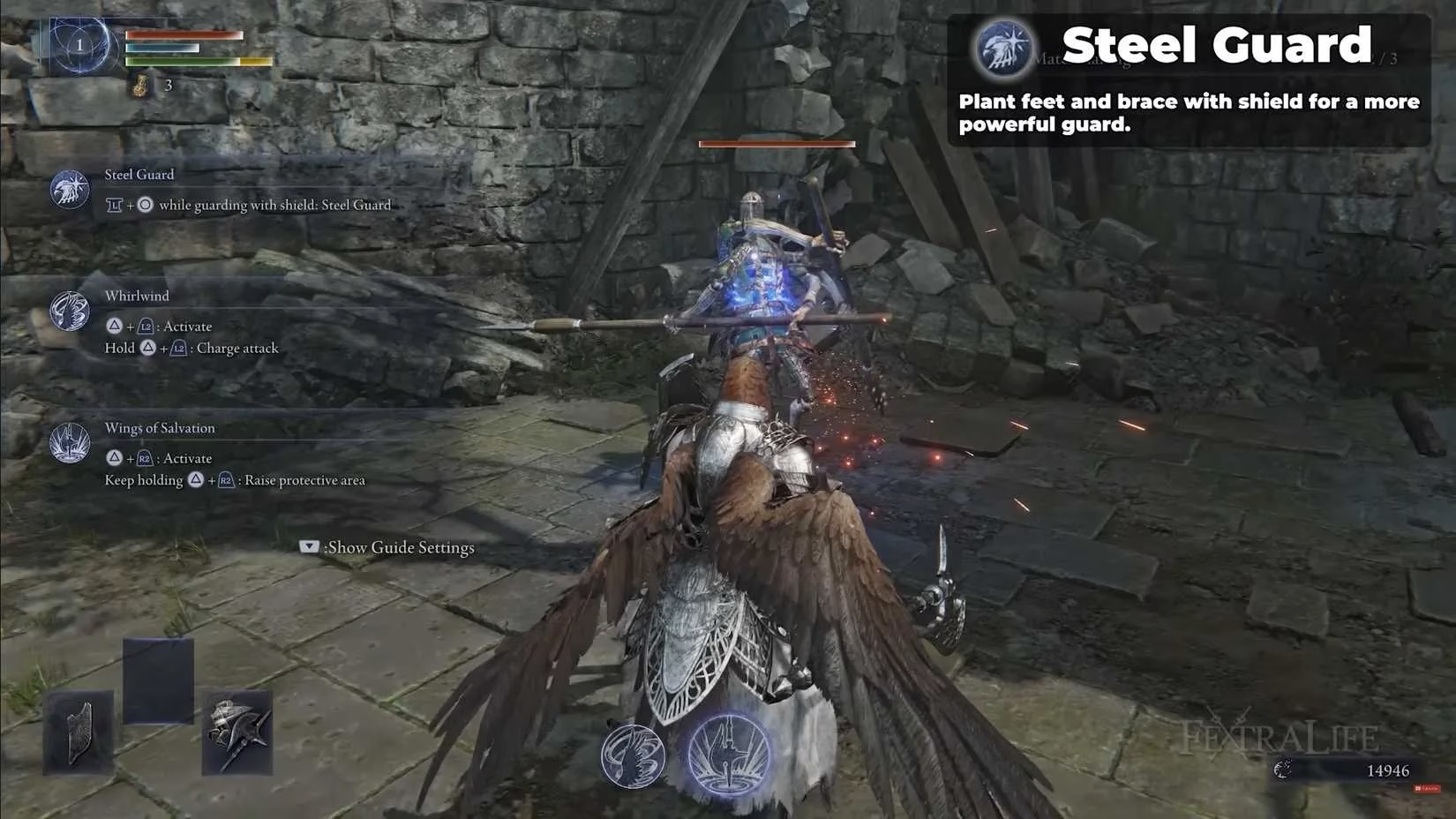
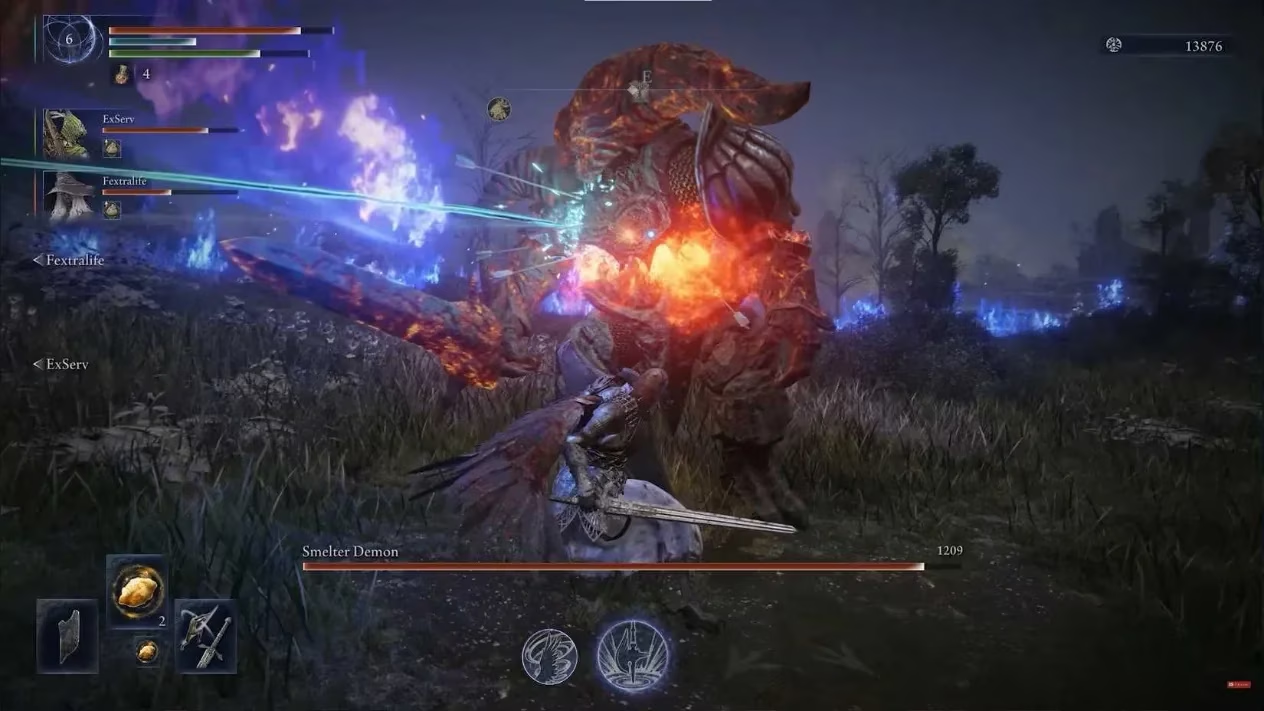
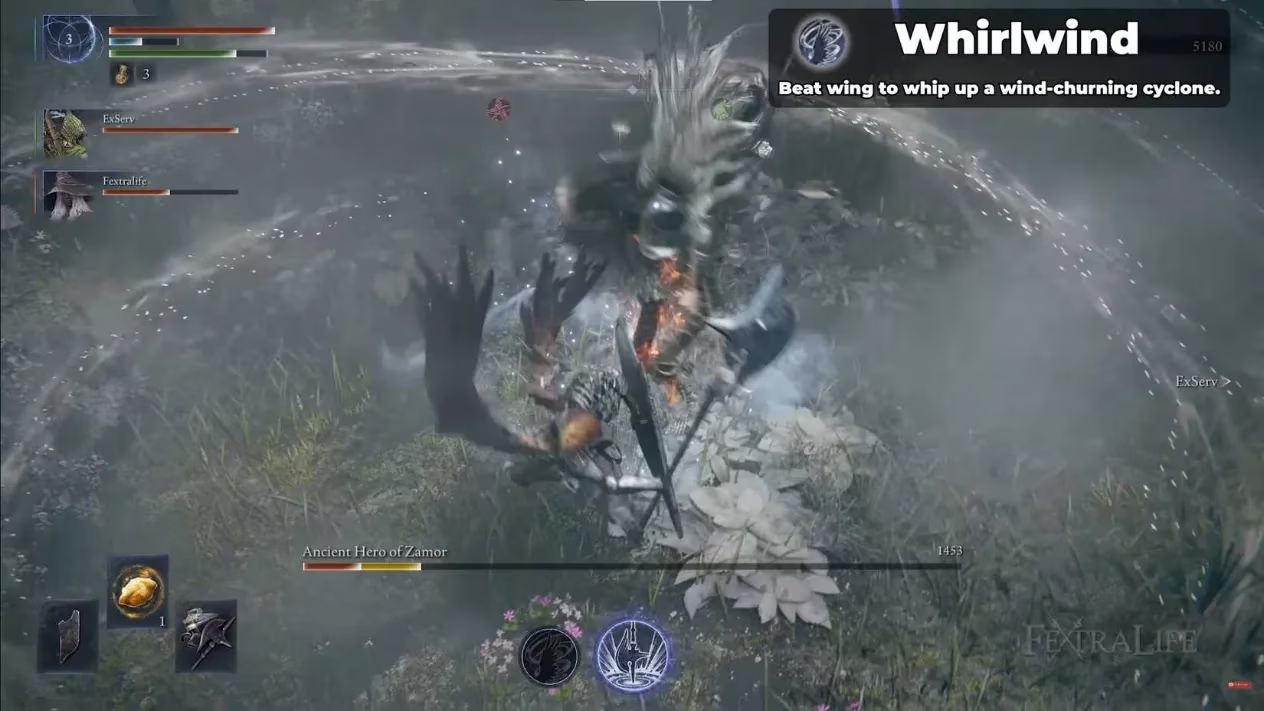
Whirlwind is the character skill, with a cooldown of roughly 15 seconds. It deals area damage around the Guardian, launches enemies into the air, and can pull smaller foes toward him. Holding the skill expands the area and hits more enemies. It is excellent for clearing camps, fortifications, and waves of mobs, and it can create huge openings against humanoid bosses such as fire monks. Players should treat it as crowd control first and damage second.
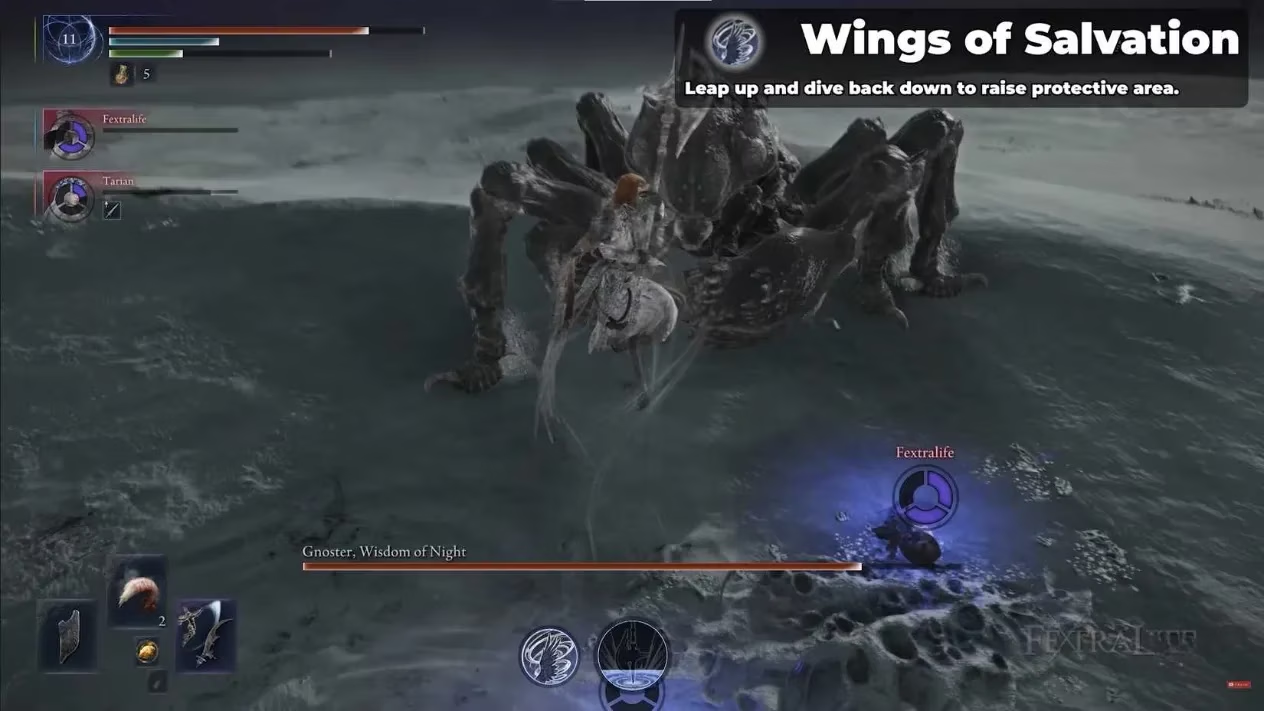
Wing of Salvation is the Ultimate Art. The Guardian leaps up and crashes down, dealing massive area damage, but the real value is that it can resurrect all downed allies, even those who are nearly lost. This makes it incredibly valuable in boss fights. The Guardian should often hold the ultimate in case teammates go down. Holding the heavy attack button while using it consumes more gauge and raises a protective area that makes the Guardian and allies immune to damage for up to about five seconds. The damage is useful in mob camps or multi-boss fights, but the defensive utility is usually more important. It also offers a last-ditch mobility tool with brief invincibility frames.
Weapons, Relics, and Survivability
The Guardian scales predominantly with Strength, with some Dexterity. Thrusting weapons such as spears, thrusting swords, and large thrusting swords allow him to poke and block at the same time, which keeps him protected while contributing damage. Greatswords and greathammers are the classic choices, while straight swords can work for players who want more reliable attack speed. The ideal weapon is one that feels comfortable to block and counter with. Larger weapons have longer guard counter animations, while smaller weapons are faster. A mid-sized weapon often offers the best balance of reach and speed.
Weapon passives should prioritize survivability. Anything that boosts guarding, increases stamina or protection, restores health on attacks or critical strikes, or improves guard counter damage is valuable. Damage is secondary. Staying alive matters more because a living Guardian can rescue downed teammates, while a downed Guardian leaves the team in a much worse position. Status effects such as poison or bleed are also useful. The Guardian can apply a status effect, return to blocking, and let damage over time work while he holds aggro. Relics that restore health while poison or scarlet rot is active on a nearby target create a wonderful synergy for an unkillable tank.
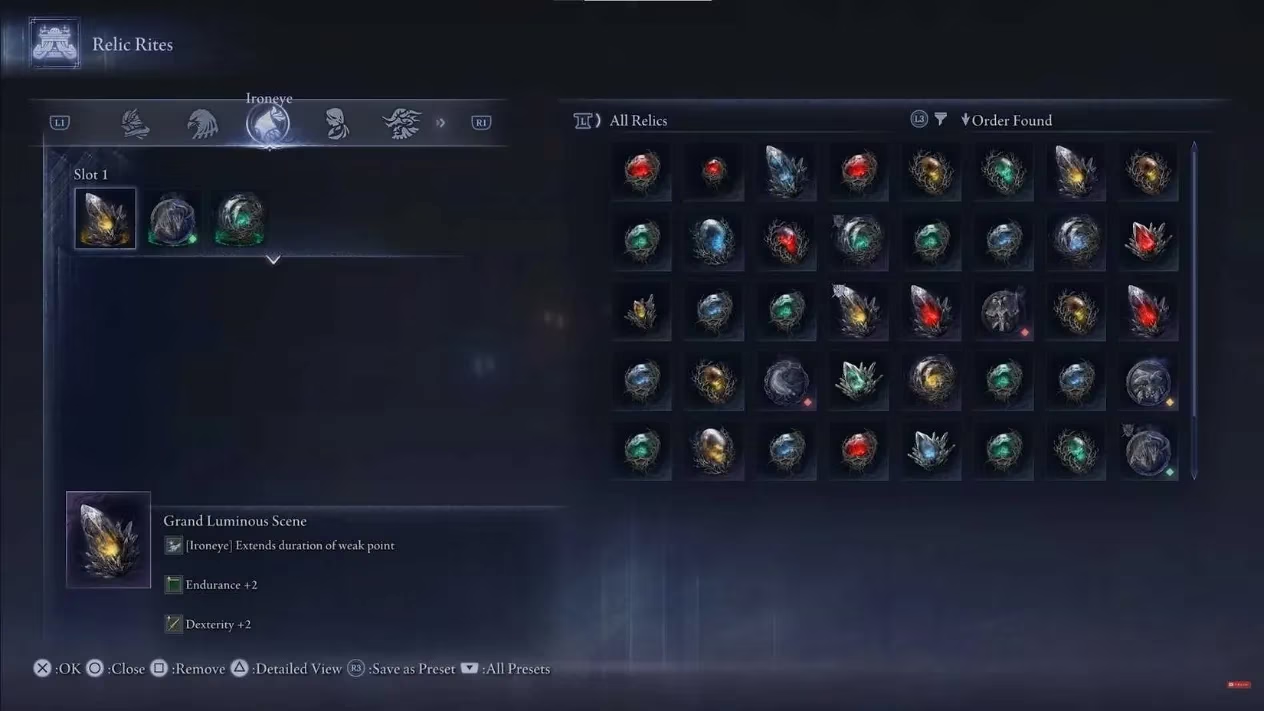
Relic choices should focus on health, stamina, and threat while guarding. Vigor and Endurance-style bonuses are excellent. Anything that helps the Guardian hold aggro is also valuable, because ranged characters can generate relentless damage and make it difficult to keep enemy attention. Class-specific relics are worth using when found, but general survivability relics are never wasted. The Guardian is not trying to win a damage race. He is trying to make sure the team survives long enough to finish the fight.
Party Composition and Final Verdict
The Guardian fits into almost any group, but there are a few friction points. Multiple Guardians can compete for aggro and all try to play the same defensive role, which is usually inefficient. An Executor can also be awkward because that class often wants aggro to parry and deflect attacks. If an Executor is present, that player may need to play more aggressively rather than focusing on parries. Ideal compositions include Guardian with Recluse and Iron Eye, or Guardian with Revenant and Recluse. Other melee characters are fine as long as the Guardian is the one controlling bosses, and ranged characters are excellent because he can hold enemies in place while they deal damage safely.
| Strength | Weakness |
|---|---|
| Highest HP pool in the game | Low spellcasting potential |
| Excellent stamina for blocking | No traditional dodge roll |
| Strong crowd control with Whirlwind | Can struggle to hold aggro against high damage |
| Ultimate can resurrect allies | Multiple Guardians can compete for the same role |
| Great for first-time players | Damage is secondary to survival |
So what is the final verdict? The Guardian is an exceptionally good character for newcomers and a reliable anchor for experienced groups. He is not the class that tops the damage chart, but he is often the reason the team reaches the boss room at all. In a game like Nightreign, where a single collapse can end a run, that kind of durability is priceless. Players who enjoy shielding, countering, and protecting their allies should pick up the Guardian, raise a greatshield, and become the wall that never breaks. 🛡️
Insights have been gathered from OpenCritic, where aggregated critical reception helps frame why durable, team-oriented archetypes like Nightreign's Guardian remain valuable even when they are not built to dominate damage charts. Looking at broader review trends across action RPGs, the class's emphasis on survivability, recovery utility, and control fits a long-standing pattern in which defensive characters become especially important for co-op consistency and mistake recovery.