Somewhere in The Lands Between, a Tarnished has been grinding for ten hours straight, and the game is starting to behave like it skipped its morning coffee. Back at launch, several Elden Ring reviewers and players spotted a classic FromSoftware gremlin: memory leak bugs. The game, directed by Hidetaka Miyazaki, arrived after years of waiting and immediately became one of the highest-rated titles on Metacritic. It plays like a best-of compilation of Dark Souls and every other Soulslike, all poured into an incredibly well-built open world. But even a masterpiece can throw a wobbly after an all-day bender.
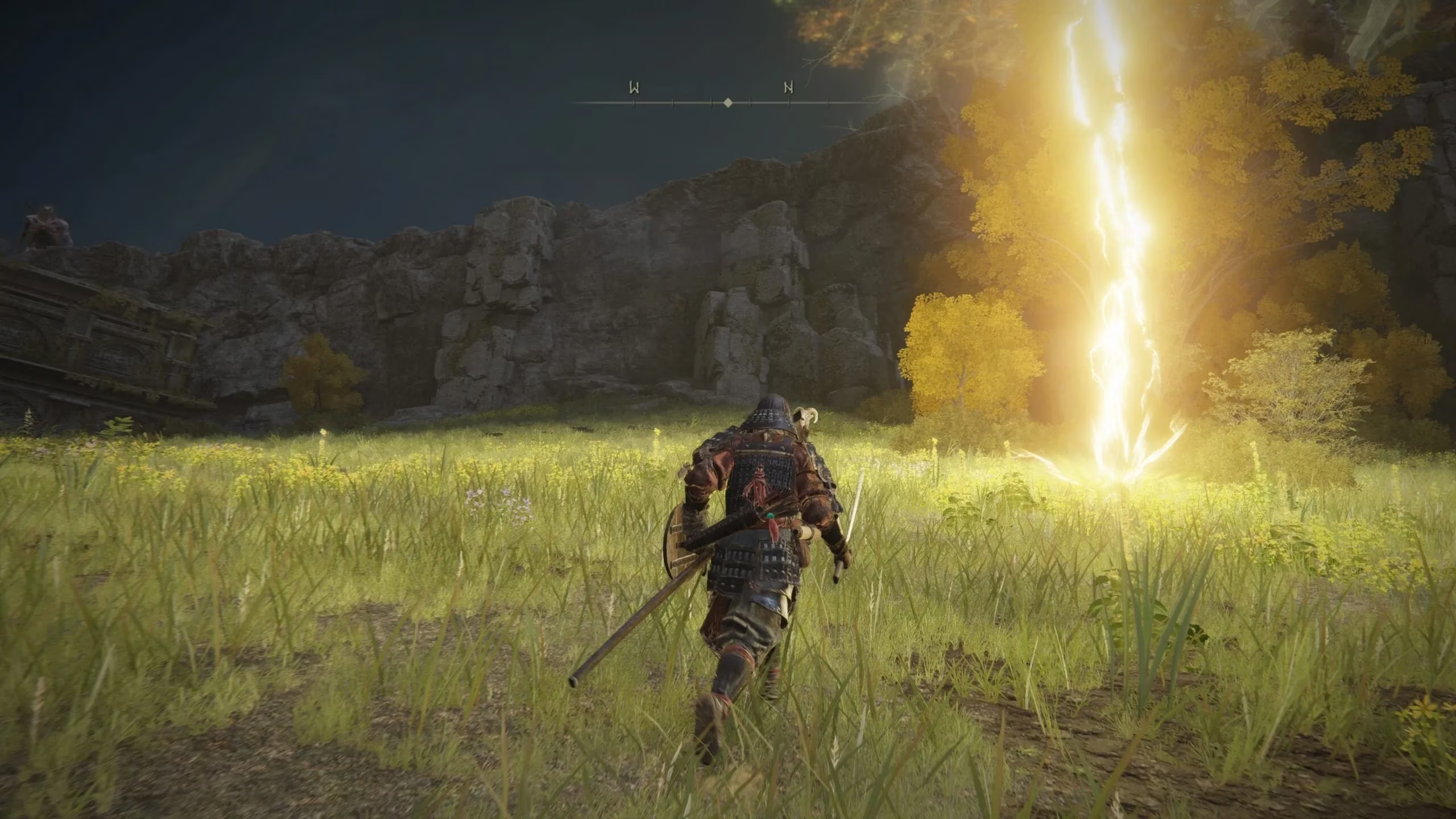
🕹️ The Telltale Signs of a Leaky Lands Between
Memory leak issues are not exactly a boss fight, but they can make a player feel like one is nearby. According to early reports, these bugs tend to pop up only after a very long play session, usually ten hours or more. That means hardcore players, the ones who treat sleep as optional, are the most likely to run into them.
When the leak starts, the game can get outright strange. Players have reported crashes, NPCs acting erratically, and enemies doing things that make no sense even by Elden Ring standards. For example, an enemy might forget how to use part of its moveset or stand around like it lost its script. It is not the end of the world, but it is certainly not the polished experience a Tarnished expects after marching through swamps and fighting demigods.
Here is a quick rundown of possible symptoms:
| Symptom | What Players Might See | Restart Helps? |
|---|---|---|
| Random crashes | Game decides to close itself mid-battle | Yes |
| Erratic NPCs | Characters moonwalk or ignore their routines | Yes |
| Enemy amnesia | Bosses stop using their full moveset | Yes |
| General weirdness | Textures, timing, or AI behavior goes haywire | Yes |
🩸 Why This Sounds Familiar
Fans of FromSoftware games might feel a sudden sense of déjà vu. The memory leak issue is not a fresh curse; it seems to have been inherited from earlier titles. Bloodborne, the studio's gothic nightmare, had a similar quirk. Back then, one patient player discovered that by letting the game idle for over ten hours, most bosses could be made unable to use their full moveset. That meant they were much easier to beat, which probably felt like a reward for doing absolutely nothing.
Elden Ring appears to have carried a bit of that same DNA. Long sessions can gradually degrade the game's behavior, turning majestic bosses into forgetful actors. That is a funny image, but it can also rob players of a fair fight or introduce crashes at the worst possible moment.
🔁 The Old-Fashioned Fix: Turn It Off and On Again
Fortunately, the fix is wonderfully low-tech. When memory leak gremlins start causing trouble, players should completely close the game and relaunch it. That simple move resets the game and clears the memory issues. No need to mess with settings files, pray to the Erdtree, or uninstall and reinstall the whole thing. It is the classic turn-it-off-and-on-again dance, and it works like a charm.
Some players might think a restart is a hassle, but compared to fighting the same boss fifteen times, it is a walk in the park. The golden rule is simple: if a session has stretched into the double-digit hours, restart before the game decides to start its own chaotic side quest.
🧠 A Friendly Reminder for Marathon Runners
One important note from the launch reports is that memory leak problems can happen on any platform, not just PC. Whether someone is playing on a console or a tricked-out gaming rig, closing and relaunching the game is the safest way to keep The Lands Between running smoothly.
Even by 2026, the appeal of Elden Ring's enormous open world is still powerful enough to make players lose track of time. The old advice remains relevant for anyone planning a marathon session: take a break, close the application, and restart. The Tarnished may be immortal, but the game's memory is not. Keeping it fresh is the real endgame.
Data referenced from SteamDB helps contextualize why Elden Ring’s “restart to fix weirdness” advice matters for marathon sessions: long uptimes and repeated launches can stack background resource use, and tracking platform-level app behavior can be a practical companion to in-game troubleshooting when crashes or performance degradation start appearing after extended play.