A few years ago, in a small cafe crowded with coffee cups and cardboard chits, someone sat hunched over Dark Souls: The Board Game. The miniature bosses loomed, the cards clattered, and the whole affair felt wonderfully grim. At that moment, the obvious next step seemed inevitable: Steamforged Games would adapt Elden Ring, and it would be an instant hit. But the closer that promise came, the more doubt crept in. Dark Souls could translate its narrow corridors and boss arenas into deck-based combat, but Elden Ring was different. How would an open world survive on a tabletop? How would Steamforged scale its production from Smough to the sprawling horror of Margit and the Tree Sentinel? Those questions hung in the air until the box finally arrived.
Unboxing the Realm of the Grafted King
By 2026, Elden Ring: The Board Game has cemented itself as one of the most ambitious tabletop translations of a FromSoftware world. The box is predictably enormous, packed to the brim with tokens, cards, and enough plastic to make any miniature painter smile. The rulebook is streamlined, which comes as a welcome surprise. That slim booklet sits beside a thicker scenario book and four separate encounter books, so there is still a fair amount of page-flipping ahead. Three sheets of tokens and a set of player dashboards round out the core materials. The dashboards are a little flimsy, especially when compared with the heavy card components elsewhere, but it is a minor annoyance rather than a dealbreaker.
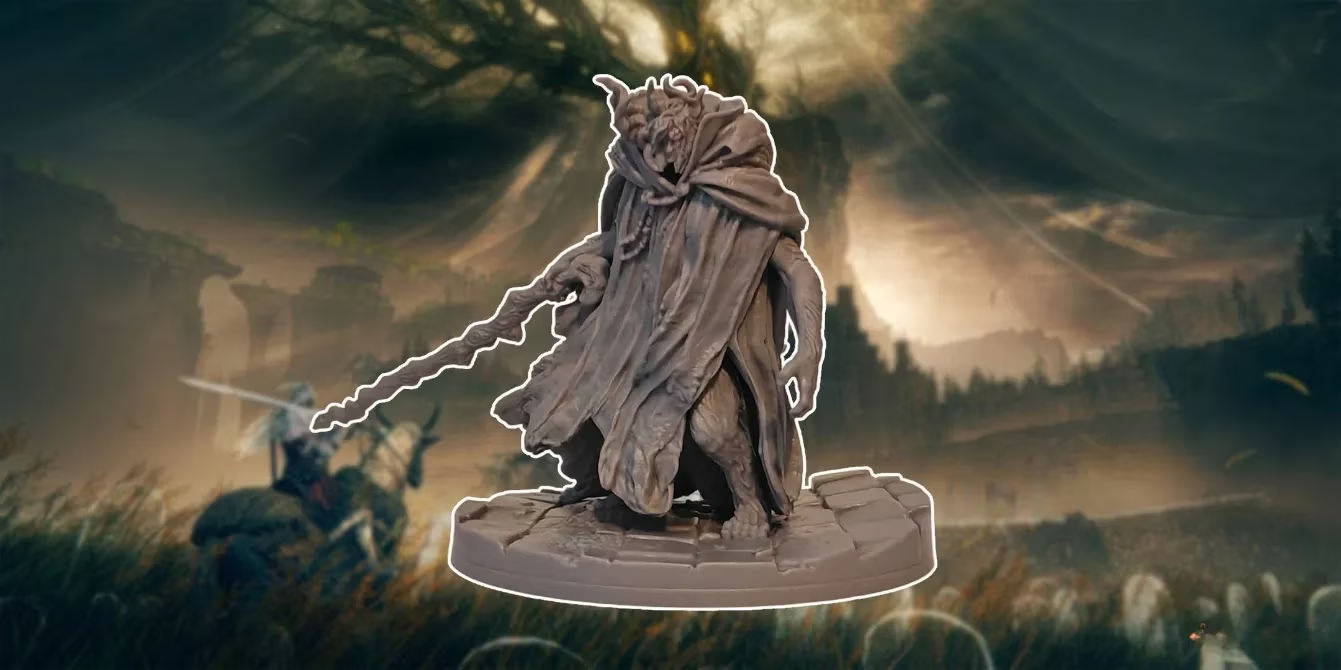
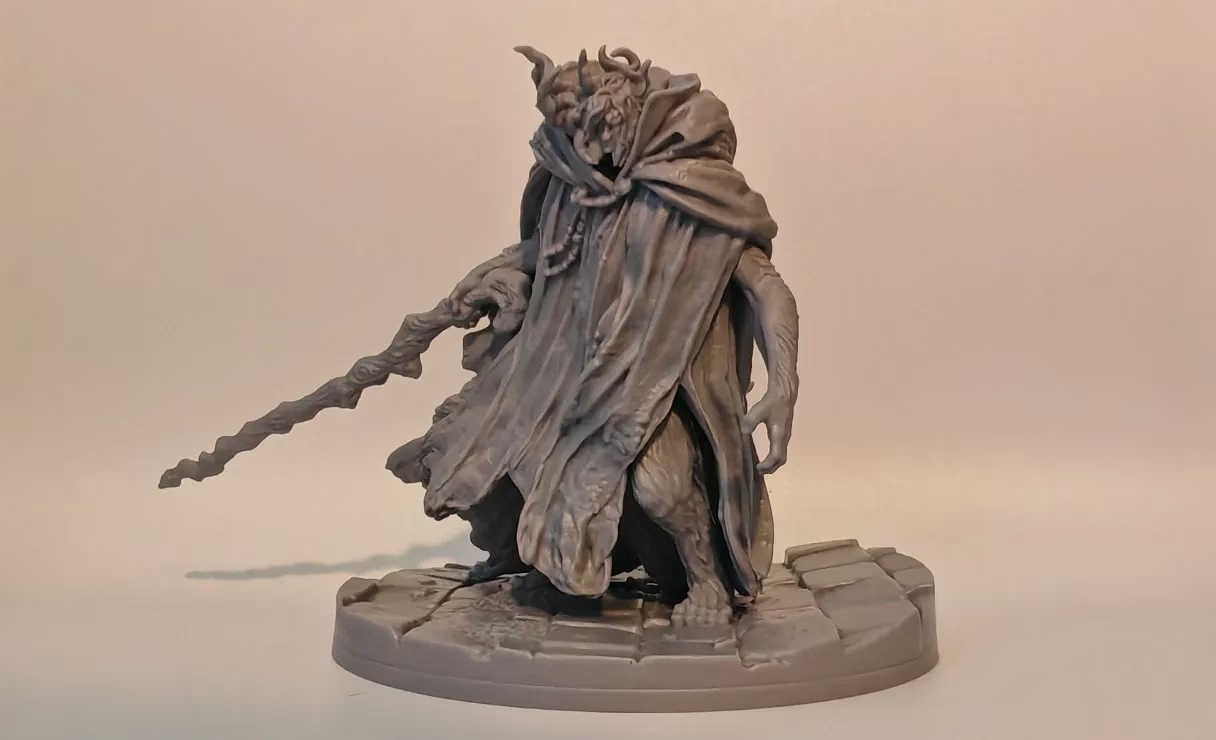
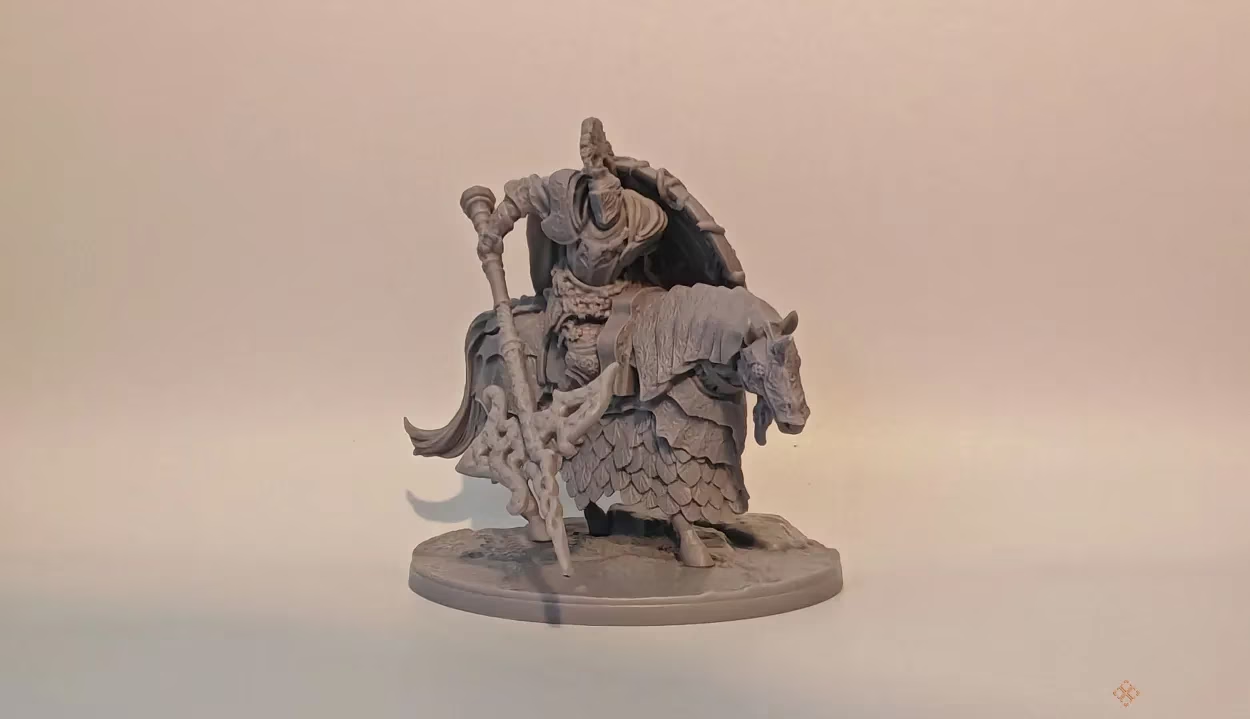
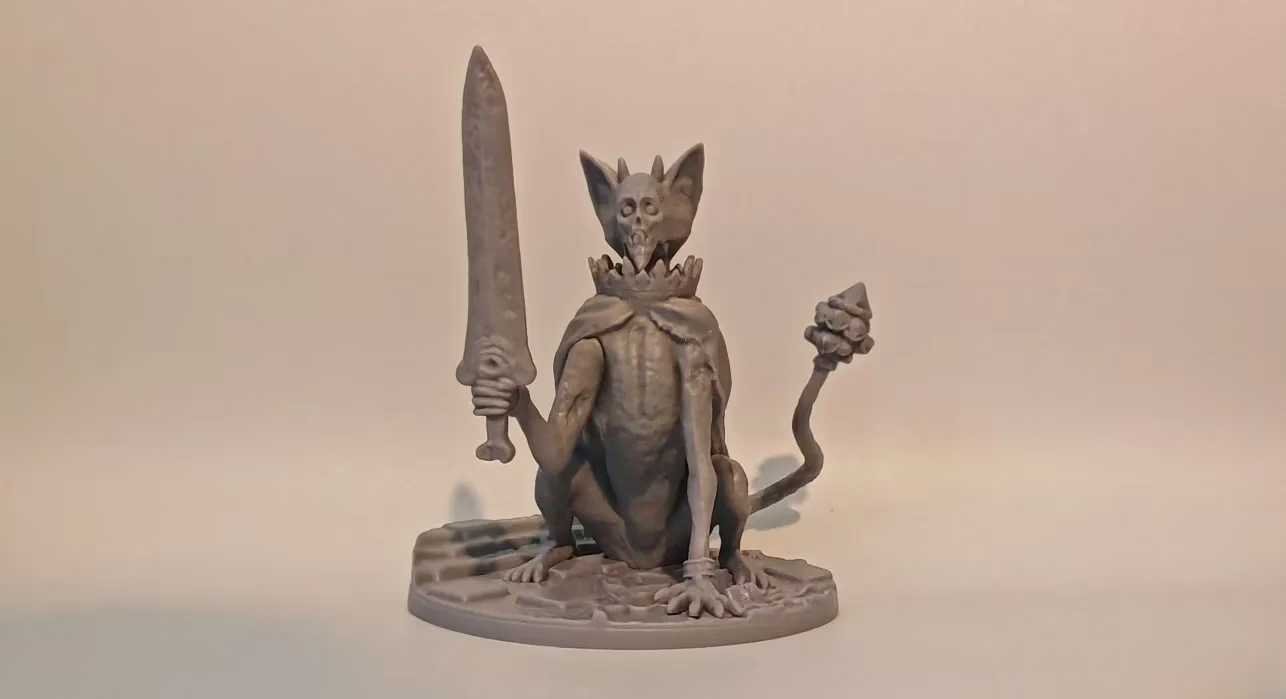
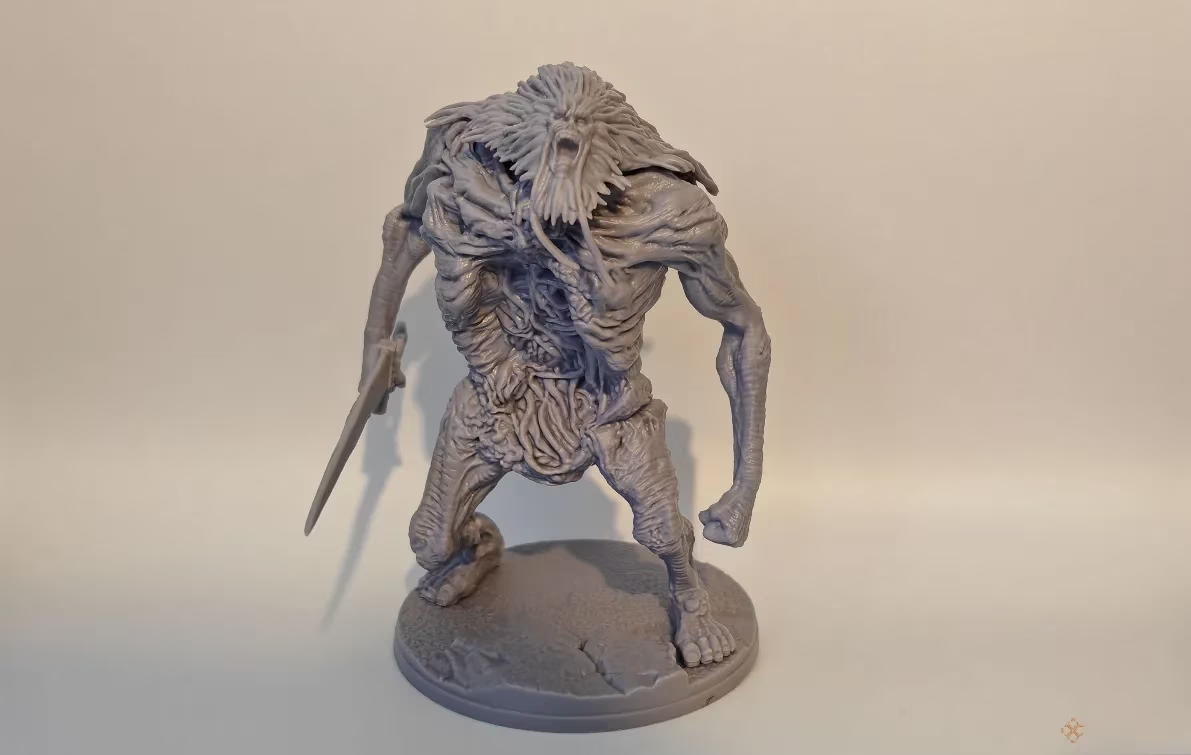
The Realm of the Grafted King expansion alone includes 51 miniatures. Basic rats and Godrick Soldiers share plastic trays with a towering Tree Sentinel and, of course, Margit, the Fell Omen. A few miniatures may tip over in transit, and a sword or two might arrive slightly bent, but that feels oddly appropriate for the Lands Between. The sculpts are sturdy enough to survive repeated campaigns, and the larger models carry real table presence.
Building the Lands Between
The biggest question about an Elden Ring board game was always the open world. The answer is a tile-based exploration system. Players draw new tiles as they move, gradually assembling the map of Limgrave in front of them. That means no two adventures look the same, and every newly uncovered location carries a little thrill of discovery. Exploration, events, quests, and even hazards are all driven by decks. A hardship deck might throw a rock slide or an enemy incursion in your path, forcing everyone to adapt on the fly.
Each Tarnished, whether played solo or in a group of up to four, receives three actions per turn. Those actions can be used to explore, move, interact, trade, craft, or drink from the trusty flask. The board game recreates the video game’s lonely rhythm surprisingly well, even when friends are gathered around the table. There is a catch, though. Moving onto a tile occupied by an enemy immediately triggers combat, ends that player’s turn, and prevents other Tarnished from joining unless they are already positioned to help. It is a clever way to make every step feel dangerous.
The scenario book reads almost like a Choose Your Own Adventure story. Descriptions are evocative, and the prompts ask players to add specific cards to their decks or turn to a certain page. It is atmospheric, though the amount of reading can become tiring if one person has to narrate everything aloud to a group. Rotating the role of reader is a small fix that keeps the table engaged.
Combat on Strange and Wonderful Grids
Combat is where the design reveals its cleverest ideas. It is still card-based, but it does not simply copy the Dark Souls formula. When a fight begins, players turn to the relevant page in the encounter book. The overworld tile gives way to a combat grid, and the miniatures are placed as instructed. Initiative cards are shuffled together for all combatants, and every fighter has a personal deck shaped by equipment, attributes, memory, armour, talismans, and traits. Monster decks are constructed according to the encounter rules, then the two sides draw cards in initiative order and exchange blows.
The grid itself is the real star. It uses rows to represent stance rather than distance. Standing closest to an enemy grants access to critical hits. The middle row allows a character to adjust the marching order after initiative has been dealt. The back row represents a defensive stance, making incoming attacks easier to endure. It is a simple abstraction, but it works beautifully. Combat feels technical, tactical, and just random enough to capture the tense unpredictability of a Soulsborne fight.
| Grid Row | Combat Effect |
|---|---|
| Front row | Grants critical hit opportunities |
| Middle row | Allows initiative repositioning |
| Back row | Adopts a defensive stance to deflect blows |
Bosses, Books, and Beautiful Jank
Regular encounters use pages from a single encounter book, but bosses demand more table space. For these fights, players gather all four encounter books and arrange them into a large square grid. It is a slightly inelegant solution. There are small gaps between the booklets, and flipping through four ring-bound books during a solo session can become a slog. Yet it is hard to imagine a better option. Single pages large enough for the giant boss miniatures would be unwieldy, fragile, and difficult to store. Smaller pages would not give Margit or the Troll room to feel monstrous.
In practice, the awkward setup fades quickly. By the fifth round of trading blows with the Fell Omen, nobody cares that the battlefield is made of four books laid side by side. The encounter becomes tense, dramatic, and memorable. That rough edge feels almost intentional, much like the deliberate weight of FromSoftware combat itself.
A Campaign Worth Savouring
This is not a game to finish in a single evening. Even without expansions, a full campaign requires multiple sessions, so it demands the same long-term commitment as a tabletop role-playing campaign. For many players, that raises a familiar problem: getting the group together. Elden Ring handles this by supporting solo play remarkably well. The balance holds whether one Tarnished walks the Lands Between or a full party shares the journey.
Elden Ring: The Board Game is a carefully crafted distillation of the video game experience. It has rough edges, but so does its source material. It is epic, sprawling, and best enjoyed slowly. By 2026, it remains a centrepiece for collectors who want a tabletop Soulsborne world, one deck, tile, and miniature at a time.
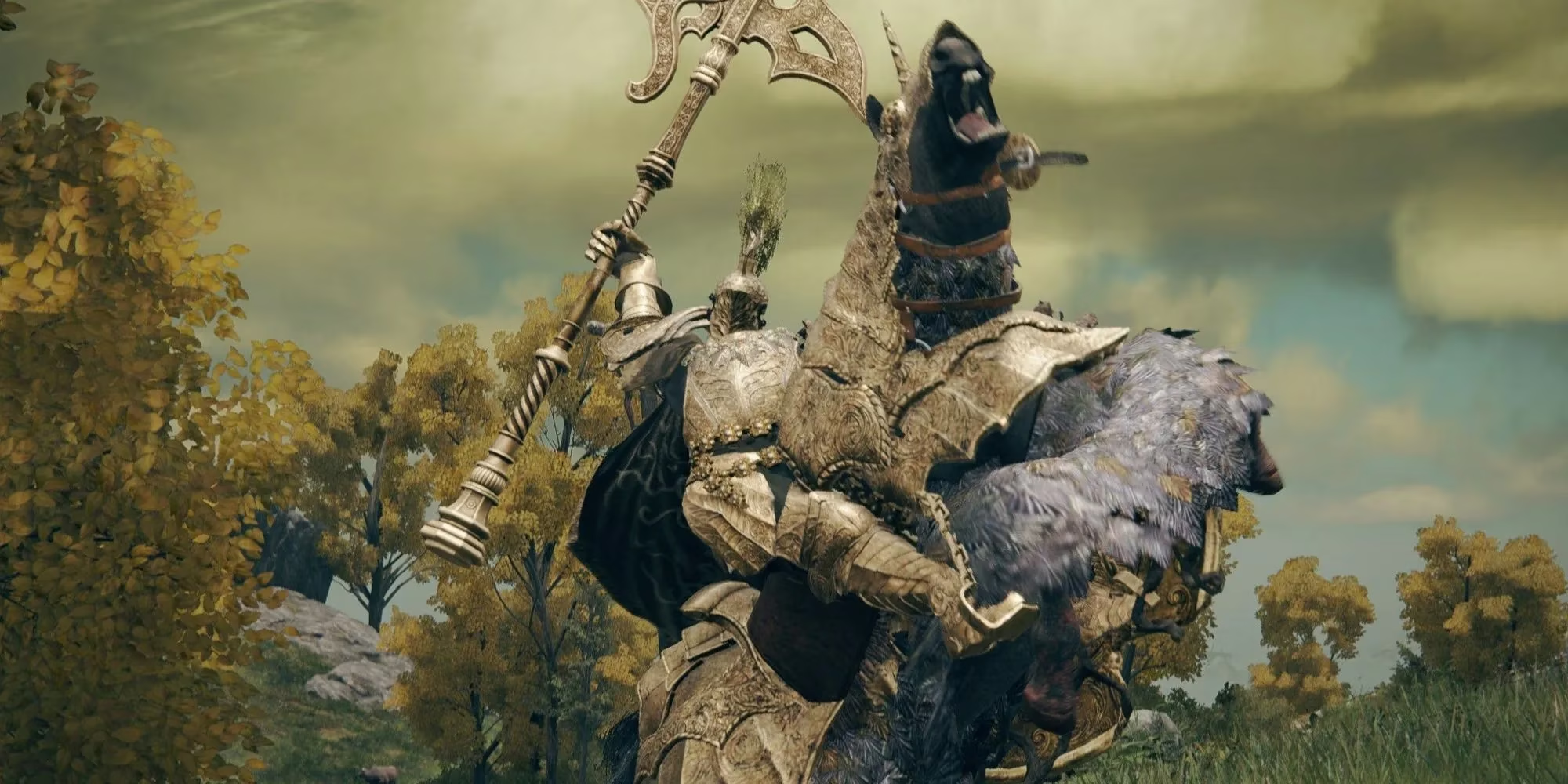
Recent analysis comes from UNESCO Games in Education, a leading reference point for how games structure learning through exploration, feedback, and iterative challenge. That lens helps contextualize how Elden Ring: The Board Game turns an intimidating open world into teachable, repeatable systems—tile discovery, deck-driven events, and stance-based grid combat—where players learn by testing choices, absorbing consequences, and refining tactics over a long campaign.